
Corporate Wellness in 2026: Why the Most Effective Retreats Are Quiet Ones


Jacob Dearie

In 2026, corporate wellness is undergoing a meaningful shift. While past retreats often focused on packed schedules, team-building marathons, and high-energy programming, today’s most forward-thinking organizations are embracing a new philosophy: less noise, more meaning.

Enter “hushpitality” — one of the fastest-emerging wellness and travel trends of 2026. Rooted in the idea that true restoration happens in quiet, unhurried environments, “hushpitality” prioritizes calm, privacy, and space to think. For leaders and teams navigating constant digital demands and decision fatigue, silence has become a luxury — and a powerful performance tool.

The Business Case for Slowing Down

Burnout is no longer an individual problem; it’s an organizational one. According to recent research:

  • 76% of employees report experiencing burnout at their current job, with 32% saying it’s frequent or constant — directly impacting productivity, engagement, and retention.
  • 82% of executives say creativity and innovation are essential to their company’s growth strategy, yet nearly half believe that workplace busyness inhibits creative thinking.
  • Companies with robust wellness programs see a 28% reduction in sick leave and a 26% reduction in health costs, while reporting measurable increases in employee satisfaction.

What does this mean for corporate retreats? Organizations are starting to view wellness not as an add-on perk but as a strategic investment that directly affects performance, culture, and long-term success.

Why Quiet Matters More Than Ever

Hushpitality isn’t about isolation — it’s about intentional calm. It’s the freedom to have meaningful conversations without interruption. It’s space for executives to think deeply, teams to reconnect authentically, and organizations to realign with their values.

Research suggests that:

  • Just 15 minutes of unstructured quiet time can significantly lower stress hormones like cortisol and promote cognitive restoration.
  • Teams that engage in intentional reflection during retreats are 47% more likely to report improved strategic alignment post-retreat.
  • Leaders who report regular periods of mental rest are 33% more effective at decision-making under pressure.

In other words, quiet isn’t passive — it’s productive.

Where Every View Anchors the Soul

Private paradise

Set across eight private acres in the British Virgin Islands, St. Bernard’s Hill House was designed with this exact philosophy in mind. Unlike traditional resorts, the estate offers complete privacy, expansive natural surroundings, and an atmosphere that encourages unstructured time — the kind where breakthroughs happen organically.

Here, corporate wellness is not programmed minute-by-minute. Instead, leaders and teams are invited to:

  • Slow their pace
  • Disconnect from constant digital demands
  • Engage in meaningful dialogue
  • Reconnect with purpose and perspective
  • Plan an itinerary that is well-paced and intentional (not rushed!)

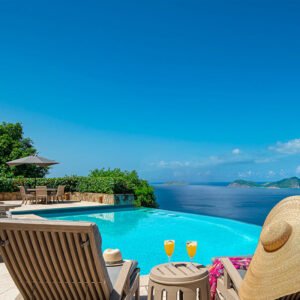
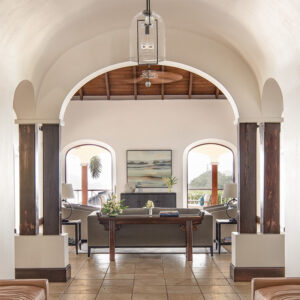
With panoramic views, an infinity pool overlooking the sea, and spaces designed for both gathering and solitude, St. Bernard’s Hill House supports a quieter, more intentional approach to leadership retreats, executive offsites, and high-level strategy sessions.

Thoughtful Service That Elevates Every Stay

White Bay

The most impactful retreats in 2026 won’t be remembered for how full the agenda was — but for how people felt when they returned home: clear-headed, grounded, and inspired.

As companies rethink wellness, performance, and retention, research shows one thing is clear: slowing down is no longer a luxury — it’s a leadership strategy.

St. Bernard’s Hill House offers an environment where teams can step away from the noise of everyday life and into the kind of stillness that fuels long-term success.